10 Things People Hate About Order Counterfeit Money
Understanding Counterfeit Money and the Risks Involved in Ordering It
The counterfeiting of currency has a long history, linked with the development of monetary systems worldwide. As innovation has advanced, so have the approaches employed by counterfeiters. While it may be appealing for people or companies to explore avenues to acquire counterfeit money, comprehending the intricacies and effects is essential. This post supplies a useful summary of counterfeit money, the prohibited nature of purchasing it, and the ramifications for those who participate in this activity.
What is Counterfeit Money?
Counterfeit money refers to currency that is produced without legal sanction and is developed to imitate legitimate currency, with the intent of utilizing it to trick individuals and services. The development and use of counterfeit currency have severe legal ramifications in nearly every country, leading to substantial charges for those involved.
Attributes of Counterfeit Currency
Counterfeit money can have numerous features that allow it to pass as real currency. Comprehending these can assist people and businesses acknowledge fake expenses. Some common attributes include:
- Similar Appearance: Counterfeit expenses typically imitate the design, color, and other visual functions of genuine currency.
- Altered Materials: Counterfeiters might utilize different types of paper or inks that do not have the unique qualities of real money.
- Security Features: While some counterfeit bills may try to reproduce security procedures (e.g., watermarks, security threads), these features typically lack the sophistication of real posts.
Why People May Seek Counterfeit Money
There are numerous reasons that people might think about purchasing counterfeit money, consisting of:
- Financial Gain: Some might believe they can avoid paying genuine money for goods or services.
- Deceitful Activities: Individuals included in plans like rip-offs or drug trafficking may look for counterfeit currency as a way to evade detection.
- Ignorance of the Law: Some may not completely understand the serious legal implications of taking part in such activities.
The Legal Implications of Ordering Counterfeit Money
One of the most important elements of counterfeit currency is the legal ramifications of its use or circulation. Buying counterfeit money is a federal criminal offense in lots of countries, consisting of the United States. Here's why individuals must hesitate before even considering it:
Severe Penalties: Engaging in counterfeiting can result in heavy fines and prolonged jail time. In the United States, for instance, charges can range from fine total up to 20 years in jail, depending upon the intensity of the offense.
Rap sheet: A conviction related to counterfeit currency can result in a long-term criminal record, affecting job opportunity, housing applications, and more.
Loss of Assets: Law enforcement agencies can take properties believed to be connected to illegal activities, consisting of money, vehicles, and residential or commercial property.
Threats Associated with Counterfeit Money
In addition to legal effects, those who look for out counterfeit currency face several other substantial risks:
- Financial Loss: Counterfeit money is basically useless, suggesting any deals involving it will cause monetary loss for the specific trying to utilize it.
- Deception and Trust Issues: Being caught with counterfeit currency can lead to major trust and reputation issues within personal and professional networks.
- Involvement with Criminal Entities: Seeking to obtain counterfeit money frequently includes interesting with organized criminal offense or other illicit networks, leading to further legal and security threats.
How to Spot Counterfeit Money
Lots of individuals and businesses may discover themselves trying to figure out whether a piece of currency is real or counterfeit. To help in this effort, here are some ideas for identifying fake money:
Techniques for Identifying Counterfeit Currency
- Analyze the Bill: Check for variations in texture, color, and print quality. Genuine costs need to be tough to duplicate precisely.
- Feel the Paper: Authentic currency is printed on an unique blend of paper that gives it an unique feel.
- Try to find Watermarks: Most nations incorporate watermark features into their currency that can be seen by holding the expense up to the light.
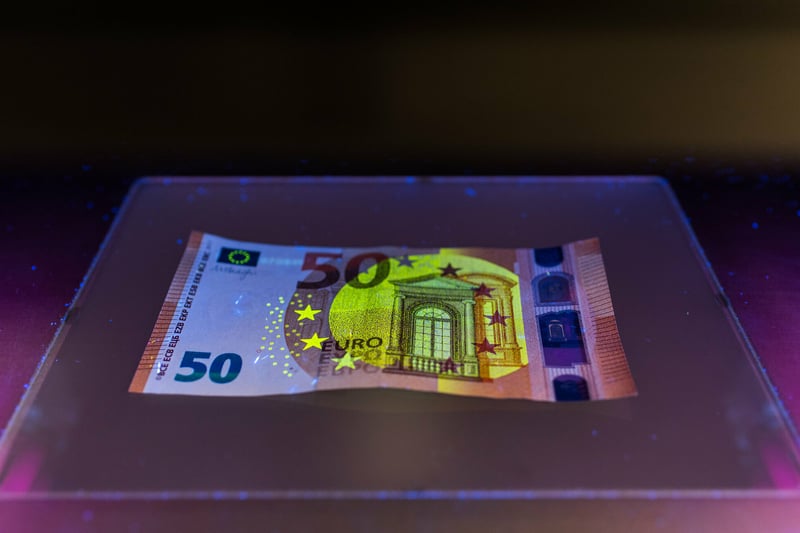
- Usage UV Light: Many currencies include unnoticeable aspects that only become visible under ultraviolet light.
The Ethical Considerations
The act of ordering counterfeit money raises vital ethical concerns. Individuals taking part in this habits need to review the more comprehensive effect of their actions. Counterfeiting undermines the integrity of the financial system, affects transactions' dependability, and can result in increased costs and trouble for consumers.
While the attraction of counterfeit money may appear attracting to some, the threats and consequences far surpass any possible short-term gains. The legal ramifications can devastate an individual's life, while the wider implications affect the economy and society as a whole. Comprehending the realities and ethical factors to consider surrounding counterfeit currency is essential for making notified options.
Frequently asked questions
Q: What should I do if I receive counterfeit money?A: If you believe you have received counterfeit money, do not try to use it. Instead, report it to your regional police or the appropriate financial authorities.
Q: How can companies safeguard themselves versus counterfeit currency?A: Businesses can inform workers on acknowledging counterfeit currency, use counterfeit detection devices, and remain notified about the current security functions of legitimate currency.
Q: Are there legal options to counterfeit money?A: Yes, individuals looking for monetary help can think about legal alternatives such as loans, grants, or community resources rather than turning to illegal activities.
Q: What happens if someone inadvertently invests counterfeit money?A: If caught, the individual may deal with legal repercussions, and they may not have the ability to recuperate the worth of the counterfeit currency. Constantly report the event to police.
In summary, the practice of ordering counterfeit money presents substantial legal, monetary, and ethical threats. jillianimber.top remains within the boundaries of legality, maintaining the stability of the financial system and contributing favorably to society.